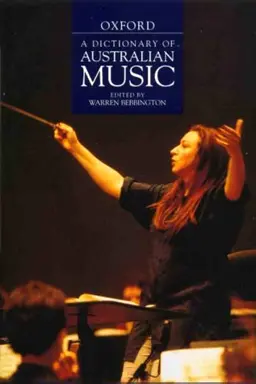
This is the first comprehensive reference work on Australian music. With just over 1400 entries written by 125 authorities on the subject, the dictionary covers a wide spectrum of topics, from ancient Aboriginal traditions and European-derived orchestral, operatic, and concert music, to Australian folk, jazz, country, popular, rock, electronic, and experimental music. There are entries on major historical and contemporary figures, including those who have achieved worldwide fame, such as Peter Allen, Percy Grainger, Peggy Glanville-Hicks, Kylie Minogue, Barry Tuckwell, Charles Mackerras, and the three great divas: Nellie Melba, Joan Hammond, and Joan Sutherland. Leading orchestras and ensembles are represented, as well as major pop and rock groups, among them the Seekers, the Bee Gees, AC/DC, and Midnight Oil. In addition to entries on individual composers, performers, and musical works and instruments, the dictionary covers leading musicologists, critics, broadcasters, educators, and researchers. The dictionary thus considers and reflects the diversity of music on the Australian continent.
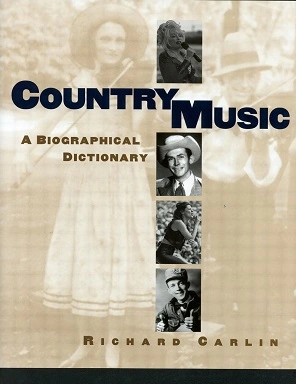
Country music features over 700 biographical entries of musicians, comedians, producers, singer/songwriters, and groups. Among them are current performers such as Billy Ray Cyrus and Faith Hill, and those that made history or are historical such as Carolina Tar Heels. Most of the biographical entries include a select discography. Despite its subtitle, the dictionary also offers about 40 subject entries, on song categories such as weepers (songs dripping with heavy sentiment), instruments such as the pedal steel guitar and the banjo, locales such as the Grand Ole Opry, subjects such as the radio, and subgenres such as countrypolitan. A few entries on musical styles are included, among them bluegrass, gospel, honky-tonk, and rockabilly. Indeed, Country music highlights the inclusiveness of country music’s connections to folk, rock, Tejano, and other roots genres. Broader aspects of the country music landscape such as record labels, social commentary, and politics are addressed as well, deepening the encompassing approach. The volume contains more than 70 photos which accompany select entries. Cross-referencing allows readers to unravel threads of related entries. Two appendices organize performers and other notables according to subgenres they are associated with and by the instruments that they play. The select bibliography, listing some 150 publications, provides solid coverage of popular and scholarly secondary sources on country music. A comprehensive name index includes song and album titles.
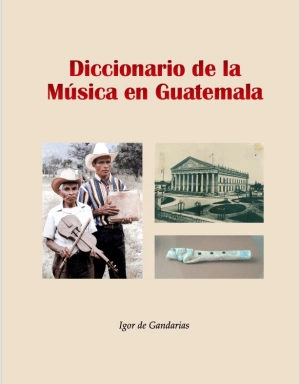
A comprehensive reference work dedicated to the musical landscape of Guatemala, the Diccionario is the only resource of its kind to document the country’s diverse musical traditions, institutions, genres, and figures across history. The volume encompasses both popular and classical domains, covering topics from pre-Hispanic sonorities and Indigenous instruments to contemporary popular genres and their cultural impact. It features biographical entries on composers and performers, definitions of musical terms, descriptions of local genres, ensembles, and events, as well as analyses of musical traditions and instruments. Special emphasis is placed on the interaction between Indigenous, colonial, and contemporary influences, offering reflections on Guatemala’s rich musical hybridities—from colonial church music and the national conservatory tradition to electro-acoustic and popular practices rooted in Indigenous heritage. Extensive cross-referencing and thematic bibliographies support the exploration of historical, cultural, and stylistic connections across the repertoire. Designed as both a scholarly and educational resource, the volume serves musicians, researchers, and students interested in the musical heritage of Guatemala and Central America. It stands as an essential contribution to the study and preservation of Guatemala’s multifaceted musical identity.
This two-volume encyclopedia comprehensively covers the musical landscape of Mexico from ca. 1500 to the late 20th century. The Diccionario offers biographies of composers, performers, and musicians of classical, popular, and traditional music, and entries on musical styles, including local indigenous traditions. It contains entries on musical works, institutions of music education, luthiers, music stores, musical events, academic journals, and radio stations, creating a complete view of the development of the musical life of Mexico. It covers cities and regions, as well as the musical relations between Mexico and other countries. “Estados Unidos”, for example, details the complex and changing musical interrelations between the United States and Mexico, beginning in the early 20th century, and their transformation throughout the century; the entry also includes a detailed chronology and a list of scholarly publications printed in the U.S. about music in Mexico, which is organized by period, from the Prehispanic to the 20th century. The coverage of the Colonial period, largely derived from the writings of musicologist Robert Murrell Stevenson (1916–2012), is also noteworthy. All of the Diccionario’s entries include bibliographic references, and some provide a works list and chronology. Most entries include cross-references, providing further resources on a chosen topic. The Diccionario is an essential reference work for those interested in the different musical traditions and histories of this country.
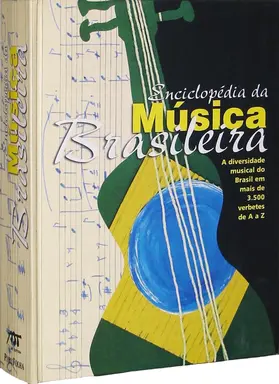
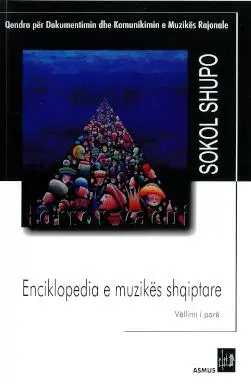
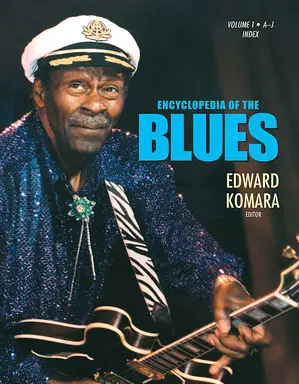
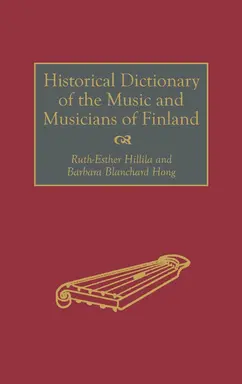
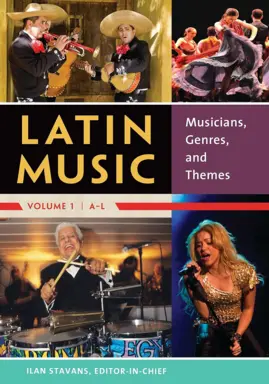
Latin music: Musicians, genres, and themes provides an in-depth exploration of the rich and diverse world of Latin music, examining its history, cultural significance, and the wide range of genres it encompasses. The encyclopedia covers the evolution of Latin music from its roots in Indigenous, African, and European traditions to its contemporary global influence. It offers detailed profiles of influential musicians, including iconic figures such as Tito Puente, Celia Cruz, and Carlos Santana, shedding light on their contributions to the development of Latin music and their lasting legacies. The two volumes delve into key genres like salsa, merengue, bachata, tango, and reggaetón, discussing their origins, stylistic characteristics, and cultural impact across different Latin American countries and communities. In addition to genre exploration, Latin music touches on broader themes such as identity, migration, and the ways in which Latin music has become a vehicle for social and political expression. The 244 entries also include socio-political factors that have shaped Latin music’s growth and dissemination. This is a key resource for music researchers looking to understand the musical traditions, key figures, and cultural contexts that have defined Latin music and its enduring global appeal.
A landmark reference work for the study of Italian traditional music, this volume offers a coherent, structured, and systematic lexicon devoted entirely to orally transmitted musical traditions. Presenting more than 500 entries, each accompanied by analytical notes, cross-references, and concise bibliographic indications, the Piccolo vocabolario etnomusicologico serves as a pioneering tool designed to support both the cataloguing and indexing of sound documents held in archives and documentation centers and the needs of academic research. Its extensive terminological apparatus—covering oral and written forms, genres and repertories, performance styles, functions, occasions, and cultural contexts—illuminates the richness, diversity, and vitality of Italy’s musical traditions across regions and communities. The work provides an integrated conceptual framework that foregrounds the relationships, continuities, and distinctions among practices, repertoires, and contexts. It stands as an essential guide for students, musicologists, ethnomusicologists, archivists, and cataloguers seeking to navigate the complex and multifaceted universe of Italian traditional musics.
